


Más allá del horizonte: 5 realidades impactantes sobre la maternidad en la isla de Mandakerenge

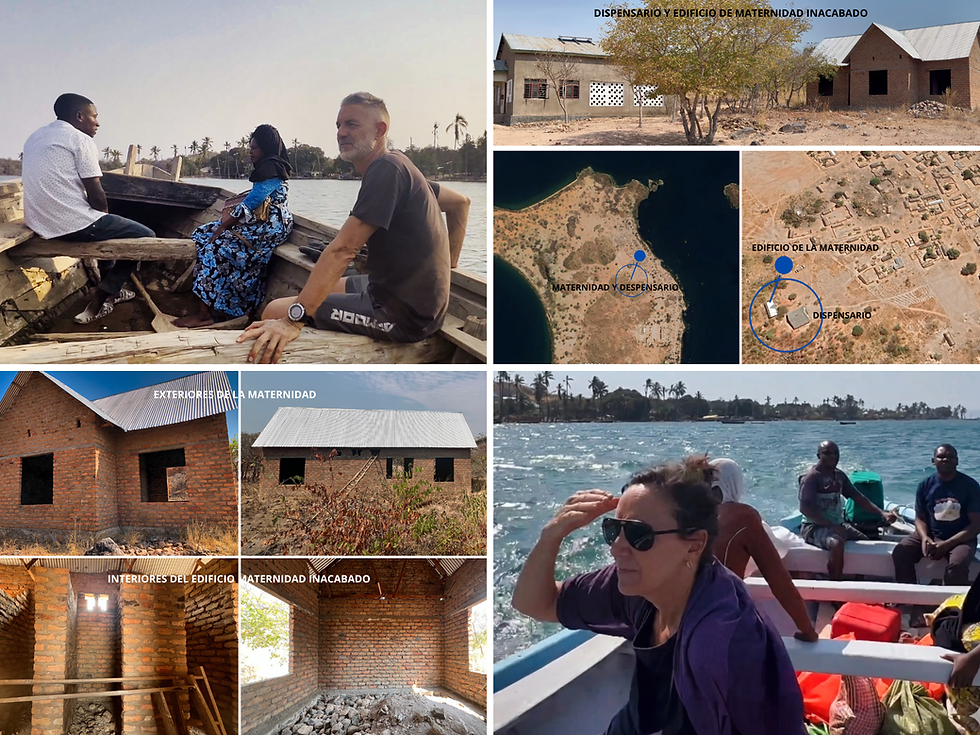
Como tantas historias que transforman el destino de una comunidad, nuestro encuentro con la isla de Mandakerenge nació de un azar geográfico. En septiembre de 2023, nuestro equipo navegaba por las aguas del lago Tanganica para explorar el archipiélago de Kipili. Lo que hallamos no fue solo un paisaje de una belleza serena, sino un asentamiento fundado en 1815 donde el tiempo parece haberse detenido. Allí, fuimos testigos de cómo casi 4.000 personas conviven con un aislamiento que desafía cualquier descripción lógica en pleno siglo XXI.
En Mandakerenge, observamos que la vida transcurre entre muros de adobe y techos de paja. Sin embargo, tras esa calma, identificamos una de las realidades más crudas de Tanzania: un lugar donde la ausencia de servicios básicos convierte procesos naturales en actos de supervivencia heroica.
1. La trampa de los cinco kilómetros: una proximidad cruel
Comprendimos que, en Mandakerenge, cinco kilómetros es un abismo que separa la vida de la muerte. Constatamos que la isla carece de carreteras y vehículos; apenas un puñado de bicicletas recorre sus senderos. A pesar de que en la costa existe un centro de salud, vimos que esa ayuda resulta inalcanzable durante una tormenta o en la oscuridad de la noche.
"La isla nos recibió en silencio, rodeada por la inmensidad del lago Tanganica. Pronto entendimos que, a pesar de distar a escasas millas del continente, Mandakerenge llevaba años apartada de los servicios más básicos".
2. Dar a luz entre el sonido metálico de los cubos y el agua del lago
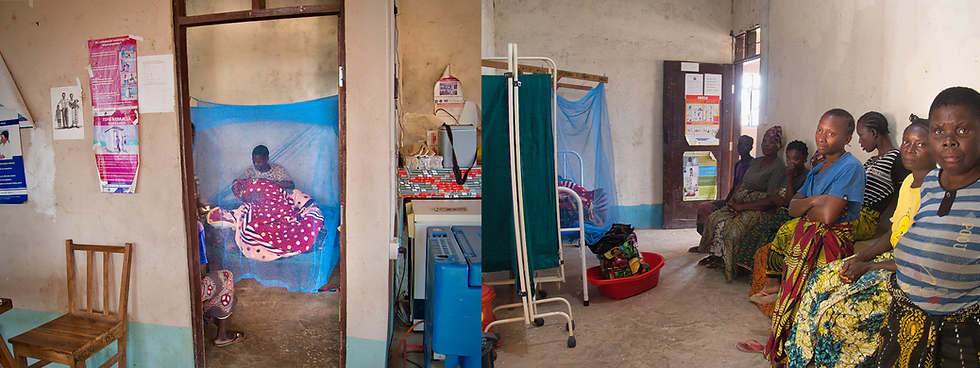
Nos impactó la precariedad del dispensario actual. Presenciamos cómo, ante la falta de red de suministro, el agua para los partos se recoge manualmente del lago. Sabemos que se trata de agua sin tratar, lo que convierte el acto de lavar a un neonato en un riesgo intrínseco de infección. Con solo una cama para atender hasta 20 nacimientos al mes, consideramos que esta carencia es una vulneración estructural de los derechos de la mujer.
3. La estadística que nos duele: 860 muertes y el peso de la juventud
Para comprender la magnitud de nuestro reto, debemos mirar hacia la región de Rukwa. Aquí, nos enfrentamos a cifras que son tragedias familiares: la mortalidad materna triplica la media nacional. Además, registramos un promedio de tres embarazos adolescentes al mes; estas jóvenes son nuestra prioridad, y por ellas subrayamos la urgencia de contar con un centro que ofrezca formación y seguimiento prenatal.
4. Resiliencia: una comunidad con la que construimos un milagro
Lo que más nos conmueve de Mandakerenge es su determinación. Reconocemos que este proyecto no empezó con nosotros, sino con los propios isleños hace cuatro años. KARIBIA no llega para imponer una visión, sino para unirnos a este esfuerzo colectivo y culminar un sueño comunitario que quedó pausado por la pobreza.
5. Más que paredes: nuestra apuesta por la autonomía y la cultura
Nuestro proyecto no se limita a la obra civil; buscamos crear un ecosistema de salud sostenible. Dotaremos la nueva maternidad con equipamiento esencial e instalaremos un sistema de energía solar. Sin embargo, el corazón de nuestra intervención reside en la integración humana: formaremos a las parteras tradicionales de la isla para construir un puente de confianza entre el conocimiento ancestral y la medicina clínica.
Conclusión: Un símbolo de Justicia Territorial
Estamos convencidos de que la finalización de esta maternidad devolverá la esperanza a las 787 mujeres de Mandakerenge. Al dotarlas de un espacio seguro, reclamamos un acto de "Justicia Territorial". Nuestra labor es la materialización de los Objetivos de Desarrollo Sostenible en uno de los rincones más olvidados del planeta. Al cerrar este capítulo de abandono, nos planteamos una reflexión necesaria:
¿Puede el lugar donde naces determinar tu derecho a sobrevivir?
En Mandakerenge, vamos a intentar que la respuesta empiece a cambiar.

Beyond the Horizon: 5 Shocking Realities About Motherhood on Mandakerenge Island
Like so many stories that transform the destiny of a community, our encounter with Mandakerenge Island was born of geographical chance. In September 2023, our team was sailing the waters of Lake Tanganyika to explore the Kipili archipelago. What we found was not only a landscape of serene beauty, but a settlement founded in 1815 where time seems to have stood still. There, we witnessed how nearly 4,000 people live in isolation that defies any logical description in the 21st century.
In Mandakerenge, we observed that life unfolds within mud walls and thatched roofs. However, beneath this tranquility, we identified one of the harshest realities of Tanzania: a place where the lack of basic services transforms natural processes into acts of heroic survival.
1. The Five-Kilometer Trap: A Cruel Proximity
We understood that, in Mandakerenge, five kilometers is an abyss that separates life from death. We observed that the island lacks roads and vehicles; only a handful of bicycles traverse its paths. Although there is a health center on the coast, we saw that this help is unavailable during a storm or in the darkness of night.
"The island greeted us in silence, surrounded by the immensity of Lake Tanganyika. We soon understood that, despite being only a few miles from the mainland, Mandakerenge had been cut off from even the most basic services for years."
2. Giving birth amidst the metallic clang of buckets and the water of the lake
We were struck by the precariousness of the current clinic. We witnessed how, due to the lack of a water supply network, water for childbirth is collected manually from the lake. We know that this is untreated water, which makes the act of washing a newborn an inherent risk of infection. With only one bed to attend to up to 20 births per month, we consider this deficiency a structural violation of women's rights.
3. The statistic that pains us: 860 deaths and the burden of youth
To understand the magnitude of our challenge, we must look to the Rukwa region. Here, we face figures that are family tragedies: maternal mortality is three times the national average. Furthermore, we register an average of three teenage pregnancies per month; these young women are our priority, and for them, we emphasize the urgent need for a center that offers prenatal education and care.
4. Resilience: a community with whom we are building a miracle
What moves us most about Mandakerenge is its determination. We recognize that this project did not begin with us, but with the islanders themselves four years ago. KARIBIA is not here to impose a vision, but to join this collective effort and fulfill a community dream that was put on hold by poverty.
5. More than walls: our commitment to autonomy and culture
Our project is not limited to construction; we seek to create a sustainable health ecosystem. We will equip the new maternity ward with essential equipment and install a solar energy system. However, the heart of our intervention lies in human integration: we will train the island's traditional midwives to build a bridge of trust between ancestral knowledge and clinical medicine.
Conclusion: A Symbol of Territorial Justice
We are convinced that the completion of this maternity ward will restore hope to the 787 women of Mandakerenge. By providing them with a safe space, we are claiming an act of "Territorial Justice." Our work is the embodiment of the Sustainable Development Goals in one of the most forgotten corners of the planet. As we close this chapter of neglect, we raise a necessary question:
Can the place where you are born determine your right to survive? In Mandakerenge, we are beginning to change that answer.


Comentarios